
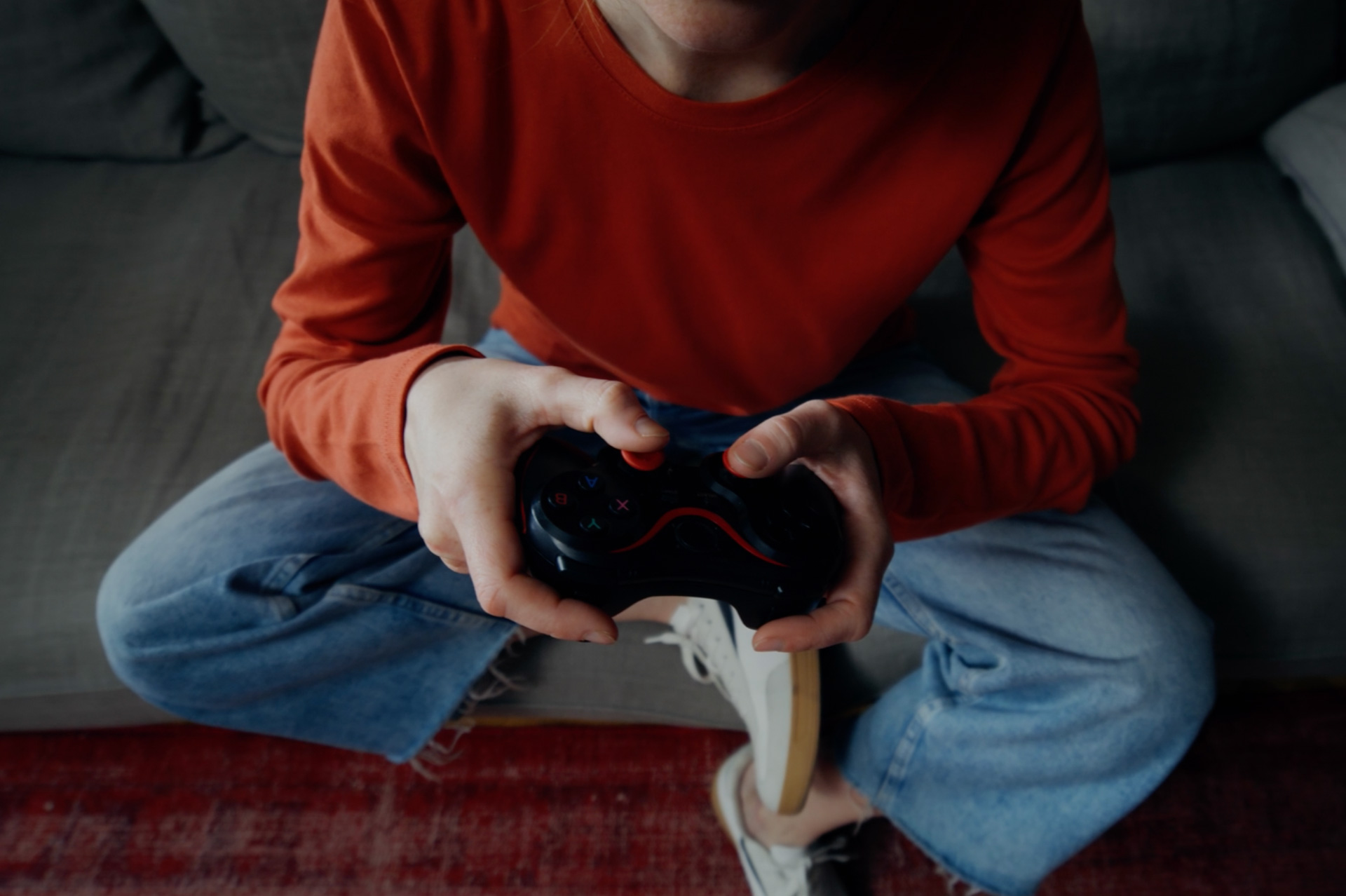

For years, gamers have been told one thing: stop gaming before bed. But new research is starting to challenge that idea.
It turns out, the suggested link between gaming and poor sleep might not be as clear-cut as people think.
At Leep, we’re always looking at the data behind better sleep and recovery. So when a recent study found that gaming didn’t significantly impact key sleep hormones, we paid attention. Because it suggests something important.
That the real issue might not be gaming itself, but how it fits into your routine.
Does gaming really ruin your sleep?
A 2025 study from the journal Computers in Human Behavior Reports tested what happens when regular gamers play for two hours in the evening. The researchers measured cortisol and melatonin, two of the most important hormones linked with stress and sleep.
There was no significant difference in hormone levels between gaming and watching a movie. Not just any movie, a nature documentary.
In other words, gaming didn’t automatically trigger stress or suppress sleep hormones, at least not for regular gamers in those conditions.
So while some of the internet might say “gaming destroys your sleep”, the reality is more complex.
Your sleep quality depends more on your habits, timing, and recovery, not simply whether you picked up a controller.
What the wider research says
Other reviews of adult gamers support the same idea.
Sleep problems are linked to irregular schedules, long late-night sessions, and high-arousal gameplay, not gaming itself. And this is a crucial difference.
If you stay up until 3am XP grinding or on an infinite PVP treadmill, then you should consider this - it’s not the console harming your sleep, it’s the shift in your body clock.
And when gaming replaces recovery time, your brain doesn’t get the rest it needs to consolidate memory, boost focus, and support performance.
Interestingly, research into “gaming stress” shows that short-term arousal from gaming can even enhance attention and reaction time when kept in balance. That’s the same physiological edge competitive gamers use to stay sharp.
So what’s really keeping gamers tired?
If gaming isn’t wrecking sleep hormones, why do so many players still feel exhausted?
The evidence suggests three main culprits:
1. Irregular sleep patterns – inconsistent bedtimes confuse your internal clock, making it harder to fall asleep naturally.
2. Poor recovery habits – intense gaming sessions without rest disrupt physical and mental recovery.
3. Stress from other factors – work, lifestyle, and screen exposure often get blamed on gaming when they’re the real problem.
The solution isn’t guilt or restriction. It’s about tracking how your body actually responds, then adjusting based on your own data.
How Leep can help gamers sleep better
Most sleep trackers tell you what not to do: don’t stay up late, don’t look at screens, don’t play games.
Leep takes a different approach.
We believe in understanding your sleep patterns, not judging them.
That means if your natural rhythm includes late-night gaming, Leep helps you work with that schedule, not against it.
With advanced sleep tracking and recovery insights, Leep helps you:
- See how your gaming sessions affect sleep quality and recovery quality
- Discover your optimal sleep window, even if you go to bed late
- Track how consistent rest boosts your performance, not just your energy
- Get personalised suggestions that fit your lifestyle instead of generic “sleep hygiene” rules
Gaming is part of modern life for millions of people. It can be social, cognitive, even stress-relieving when done right.
Leep helps you understand how it fits into your wellbeing so you can play smarter, recover faster, and perform at your best. Online and in life.
The future of gamer-friendly sleep tracking
The gaming community has been unfairly judged for years when it comes to sleep.
But the latest science suggests it’s time for a new conversation. Time to for a more nuanced conversation around gamer habits, sleep schedules, and recognise how personalised the effects of these can be for the individual.
Leep is built for real people with real schedules.
It’s the first sleep tracker that treats gaming as a legitimate lifestyle, not a problem to fix.
So instead of telling gamers to change, Leep helps them understand themselves and that’s where real performance starts.
Gaming doesn’t automatically ruin your sleep. What matters is when and how you play. Most importantly it’s about how well you recover.
Leep helps you find that balance, without judgement.
